Table of Contents
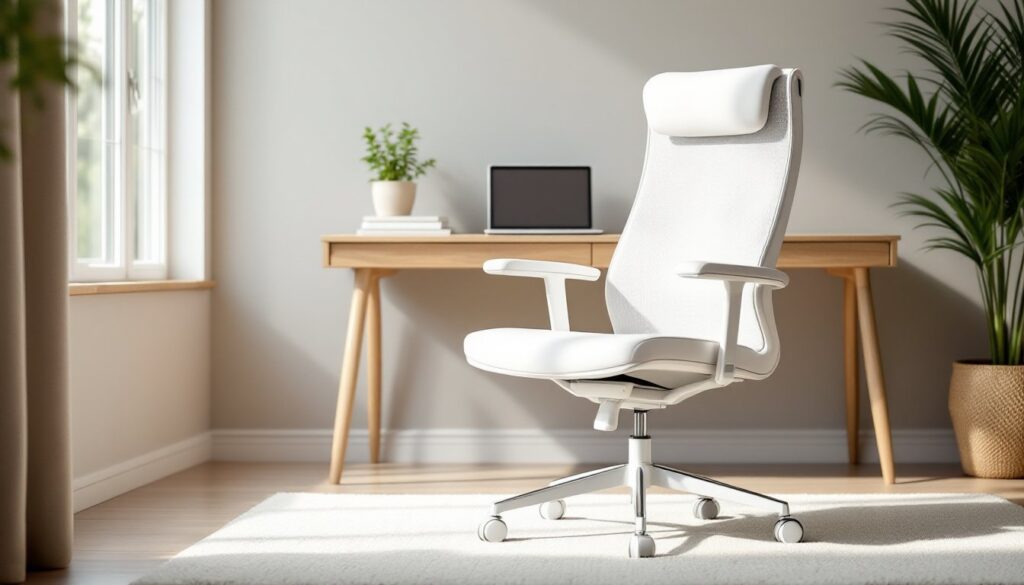
ToggleChoosing the right office chair can make or break a home workspace. A modern white office chair does double duty, it supports long work hours while brightening up the room with a clean, versatile aesthetic. Unlike darker chairs that anchor a space, white chairs reflect light and open up even the smallest rooms. They’re a popular choice for homeowners who want their workspace to feel less corporate and more integrated with the rest of the home. This guide walks through what makes a good white office chair, which features matter most, and how to keep it looking sharp without constant cleaning battles.
Key Takeaways
- A modern white office chair brightens smaller spaces by reflecting light and creates a professional appearance on video calls while remaining versatile with any home décor style.
- Essential ergonomic features include adjustable seat height, lumbar support, tilt tension control, and armrest adjustability to prevent back pain during long work hours.
- White office chairs made from faux leather, molded plastic, or powder-coated metal are easier to clean and maintain than fabric upholstery, with spills visible before they become deep-set stains.
- Different modern white office chair styles—task chairs, mid-century designs, Scandinavian minimalist, and industrial—each offer distinct comfort levels and aesthetics suited to different workspace needs.
- Proactive maintenance like weekly wiping of faux leather surfaces, monthly mesh vacuuming, and immediate spill treatment keeps a white office chair looking showroom-fresh without major cleaning battles.
- Pairing your modern white office chair with warm lighting, natural wood desks, and textured accessories prevents the space from feeling sterile while maintaining visual cohesion.
Why Choose a Modern White Office Chair for Your Home Workspace
White office chairs bring a distinct set of advantages to home workspaces that go beyond simple aesthetics. The color acts as a visual expander, particularly useful in smaller rooms or basement offices where natural light is limited. White reflects ambient light better than any other color, making the space feel larger and more open.
From a design standpoint, white is the ultimate neutral. It pairs equally well with Scandinavian minimalism, industrial loft aesthetics, coastal themes, and even traditional wood-heavy offices. This flexibility matters when the home office shares space with a guest bedroom or living area, the chair won’t clash with existing furniture or future redesigns.
White chairs also photograph well, which matters more than it used to. Video calls and virtual meetings put home offices on display. A crisp white chair reads as professional and intentional on camera, unlike mismatched seating that screams “I grabbed whatever was in the garage.”
There’s a practical element too. White surfaces show dirt and wear patterns quickly, which sounds like a disadvantage but actually helps with maintenance. Stains don’t hide and fester, they’re visible early when they’re still easy to clean. This is preferable to dark fabrics that mask grime until deep cleaning becomes a major project.
Modern designs in white typically use materials like molded plastic, faux leather, or powder-coated metal, all of which clean easier than fabric upholstery. These materials suit home environments better than traditional office fabrics that require steam cleaning or professional care.
Key Features to Look for in a Modern White Office Chair
Ergonomic Support and Adjustability
Ergonomics isn’t marketing fluff, it’s the difference between productive work sessions and afternoon back pain. A proper ergonomic chair supports the natural S-curve of the spine, particularly the lumbar region (lower back). Look for built-in lumbar support or an adjustable lumbar cushion that can be positioned to match individual back height.
Adjustability is where budget chairs fail. At minimum, a functional office chair needs:
- Seat height adjustment (pneumatic lift is standard)
- Tilt tension control to adjust how easily the backrest reclines
- Armrest height (3D or 4D adjustable armrests allow width and angle changes too)
- Seat depth adjustment for users with longer or shorter legs
The seat pan should have a waterfall edge, a curved front that prevents pressure on the backs of the thighs, which can restrict circulation during long sitting periods. Seat depth typically ranges from 15 to 18 inches: taller users need the deeper measurement.
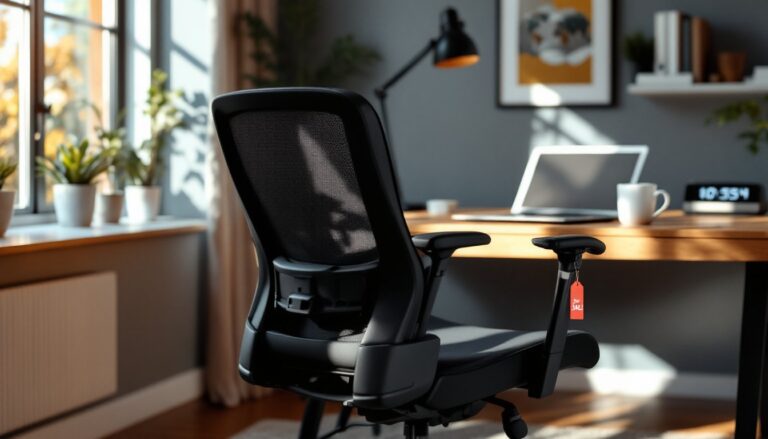
Modern task chairs often include mesh backrests, which provide better airflow than solid upholstery. This matters in rooms without dedicated HVAC zones. Mesh tension varies by manufacturer, higher-end models use engineered mesh that provides support without sagging over time.
Material and Durability Considerations
White office chairs come in several material families, each with trade-offs. Faux leather (polyurethane or PU leather) is common in the sub-$300 range. It wipes clean easily and resists minor spills, but cheaper versions crack and peel within two years, especially along armrests and seat edges where friction is highest. Look for bonded leather alternatives or high-grade PU if going this route.
Molded plastic or polypropylene shells are nearly indestructible and suit modern aesthetics perfectly. Chairs in this category often feature metal or wood legs with a minimalist profile. They’re easy to clean and don’t show wear like upholstered options, but they lack the cushioning some users prefer for all-day sitting.
Powder-coated metal frames in white or matte finishes are durable but can chip if the chair is dragged across hard floors. Use felt pads or rubber casters rated for your flooring type, hard casters for carpet, soft casters for hardwood or tile. Standard casters are 2 to 2.5 inches in diameter: oversized casters (3 inches) roll more smoothly and reduce floor damage.
Weight capacity matters. Most office chairs are rated for 250 to 300 pounds, but that’s often a conservative estimate. Check the manufacturer’s specifications and user reviews for real-world feedback. Chairs with metal frames and reinforced seat pans typically outlast all-plastic construction.
Breathable fabrics exist in white (usually performance polyester or linen blends), but they stain more easily than non-porous materials. If fabric is preferred for comfort, look for models with removable, machine-washable covers or consider applying a fabric protector spray rated for upholstery.
Popular Styles of Modern White Office Chairs
Modern white office chairs fall into a few recognizable design camps, each with distinct visual and functional characteristics.
Mid-century modern chairs feature molded plastic or fiberglass shells, often on wood or metal legs. These designs trace back to the 1950s and ’60s but remain popular for their clean lines and compact footprint. They’re typically armless or have integrated armrests as part of the shell. These work well in smaller offices where bulky task chairs overwhelm the space. Comfort is moderate, fine for a few hours but not ideal for eight-hour workdays.
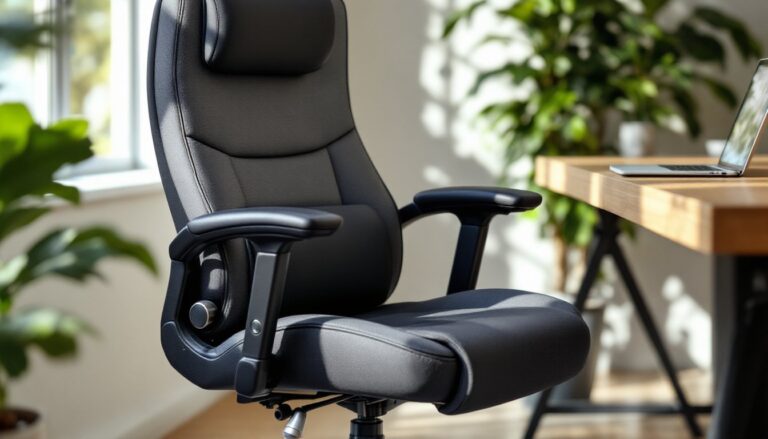
Executive-style chairs lean traditional with high backs, padded armrests, and often a tufted or channel-stitched backrest. In white, these soften the usual corporate vibe and work well in luxury home office setups with wood desks and built-in shelving. They’re heavier (40 to 60 pounds) and require more floor space but offer maximum cushioning.
Task chairs prioritize function over form. They feature mesh backs, multiple adjustment points, and ergonomic engineering. White versions typically use white mesh or fabric with a white frame. These are the workhorses of home offices, not the most stylish but the most forgiving for long hours. Brands in this category often follow guidelines similar to those in modern workspace transformations.
Scandinavian minimalist designs emphasize simplicity: white molded seats, tapered wooden legs (often oak or ash), and no armrests. They suit open-plan homes where the office area is visible from living spaces. These chairs are lightweight (15 to 25 pounds) and easy to move but provide limited lumbar support.
Industrial styles mix white with raw materials, think white seats on black metal frames, exposed hardware, and utilitarian aesthetics. They pair well with brick walls, concrete floors, and open shelving. Durability is usually high, but comfort varies depending on how much padding is included.
How to Match Your White Office Chair with Your Home Office Decor
White is forgiving, but it still needs thoughtful placement to avoid looking sterile or out of place. Start with the room’s color palette. If walls are white or light gray, add contrast through the desk, shelving, or flooring. An all-white room can feel clinical, introduce warmth with wood tones, brass hardware, or textured textiles like a jute rug or linen curtains.
For bold accent walls (navy, forest green, charcoal), a white chair acts as a visual break and prevents the space from feeling too heavy. This works especially well in smaller offices where dark walls close in the space. The chair becomes a focal point without competing with the wall color.
Desk material matters. White chairs pair naturally with light wood desks (oak, ash, maple) or glass-top desks, creating an airy, cohesive look. With dark wood (walnut, mahogany), the contrast is dramatic but sophisticated, just ensure the chair has enough visual weight (through size or structured design) to hold its own.
Consider the room’s overall style consistency. Contemporary interiors featured on sites like Design Milk often layer textures and materials rather than matching everything. A white leather chair might sit next to a reclaimed wood desk and a concrete planter, unified by a limited color palette rather than identical finishes.
Lighting plays a role too. In north-facing rooms with cool, indirect light, white can read as stark. Warm-toned LED bulbs (2700K to 3000K color temperature) soften the effect. South-facing rooms with abundant sunlight handle crisp white effortlessly.
Accessorizing helps. A sheepskin throw or textured cushion in cream, gray, or blush adds comfort and breaks up the solid white surface. Avoid overly matchy decor, white chair, white desk, white accessories, which flattens the space. Mix in natural materials and varied textures for depth.
Maintaining and Cleaning Your White Office Chair
White surfaces demand proactive care, but maintenance doesn’t have to be a constant battle. The key is addressing spills and marks immediately before they set.
For faux leather or PU leather, use a damp microfiber cloth with a drop of mild dish soap for routine cleaning. Wipe down armrests and seat edges weekly, these areas accumulate oils from skin contact. Avoid harsh chemicals like bleach or ammonia, which break down the material’s protective coating and cause cracking. For stubborn stains, a magic eraser (melamine foam sponge) works well but use it sparingly, it’s mildly abrasive.
Plastic or molded chairs are the easiest. A spray bottle with diluted all-purpose cleaner and a microfiber cloth handle most grime. For textured surfaces, a soft-bristle brush gets into crevices. Rinse with a damp cloth to prevent residue buildup.
Mesh backrests collect dust. Vacuum them monthly using an upholstery attachment, or wipe with a slightly damp cloth. Avoid soaking mesh, excess moisture can weaken the weave over time.
Fabric upholstery in white requires the most effort. Vacuum weekly to prevent dirt from embedding in fibers. Treat spills immediately: blot (don’t rub) with a clean cloth, then use an upholstery cleaner or a mix of water and white vinegar. Test any cleaner on an inconspicuous area first. Many interior design platforms like Homedit recommend Scotchgard or similar fabric protectors applied after purchase and reapplied every six months.
Powder-coated metal frames need only occasional wiping. Inspect joints and casters quarterly, tighten loose screws and remove hair or debris wrapped around caster axles. Lubricate moving parts (tilt mechanisms, height adjustment) annually with silicone spray to maintain smooth operation.
Preventive measures save time. Use an office chair mat on carpet to prevent fiber transfer and staining from carpet dyes. On hard floors, mats reduce scuff marks. Keep hand lotion, coffee, and pens away from the chair, most stains come from predictable sources.
Sunlight causes yellowing over time, particularly on white plastic. If the chair sits near a window, consider UV-filtering window film or rotate the chair periodically. For detailed guidance on maintaining high-end workspace furniture, resources like Homify offer material-specific care tips.
Deep clean every three to six months depending on use. For leather, apply a leather conditioner to prevent drying and cracking. For fabric, rent or use a handheld upholstery cleaner. Regular maintenance extends the chair’s life and keeps it looking showroom-fresh rather than dingy and neglected.
If a stain won’t budge, professional upholstery cleaning is an option, usually $50 to $100 per chair. Weigh this against the chair’s replacement cost. Sometimes a slipcover or seat cushion is a more practical solution than battling a permanent stain.