Table of Contents
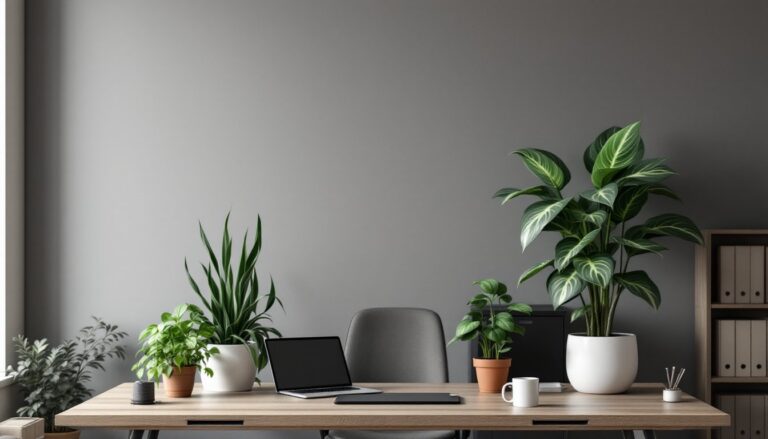
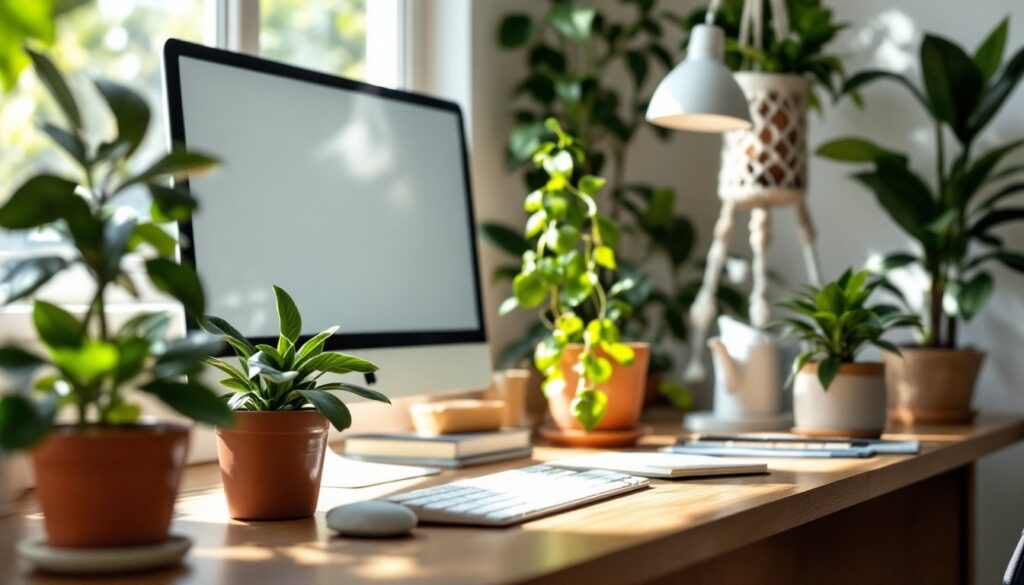
ToggleA home office doesn’t need a full renovation to feel more productive and alive. Adding a plant or two to a desk can improve air quality, reduce stress, and create a more inviting workspace without taking up much room or demanding complicated care routines. Unlike sprawling houseplants that require floor space and regular repotting, desk plants stay compact and manageable. They fit into tight corners, perch on monitor stands, and thrive in the artificial light that most home offices provide. For DIYers who’ve tackled everything from drywall repair to custom shelving, keeping a small plant alive is one of the easiest upgrades to pull off, and one of the most rewarding.
Key Takeaways
- Office desk plants improve air quality, reduce mental fatigue, and regulate humidity without requiring complicated care routines or significant space.
- Succulents, snake plants, and pothos are among the best low-maintenance desk plants for busy professionals, thriving in artificial light and tolerating irregular watering.
- Overwatering is the leading cause of plant failure, so check soil moisture before watering and ensure every pot has a drainage hole to prevent root rot.
- Match your desk plant selection to actual lighting conditions, available footprint, and maintenance tolerance rather than ideal growing conditions.
- Dust leaves monthly, rotate plants weekly for even light exposure, and inspect undersides of leaves for pests to keep your office desk plants healthy year-round.
- Start with one slow-growing, low-maintenance species to learn proper care before expanding your office desk plants setup.
Why Every Home Office Needs Desk Plants
Desk plants aren’t just decorative. They actively contribute to a healthier workspace by filtering airborne toxins like formaldehyde and benzene, common offgassers from pressed wood furniture, paint, and carpeting. NASA’s Clean Air Study identified several houseplants that remove these compounds, and many of them adapt well to desk-sized containers.
Beyond air quality, plants reduce mental fatigue. Studies show that even brief interactions with greenery can lower cortisol levels and improve focus during long work sessions. For anyone who’s spent hours staring at a monitor in a windowless room, a living plant offers a visual break that screens and posters can’t replicate.
Desk plants also help regulate humidity. Most indoor environments hover around 30-40% relative humidity, especially in winter when forced-air heating dries things out. Plants release moisture through transpiration, nudging humidity levels upward without requiring a standalone humidifier. This can reduce dry skin, static, and respiratory irritation.
Finally, they’re a low-stakes way to practice ongoing maintenance. DIYers already know that small, regular upkeep beats emergency fixes. Watering a plant once a week and trimming dead leaves takes less time than scrubbing mold from a neglected bathroom grout line, and it’s a lot more pleasant.
Best Low-Maintenance Plants for Your Desk
Succulents and Cacti for Busy Professionals
Succulents and cacti top the list for anyone who forgets to water. Their fleshy leaves store moisture for weeks, so they tolerate neglect better than most tropical plants. Echeveria, Haworthia, and Aloe vera all stay compact, under 6 inches in diameter, and thrive in small terracotta or ceramic pots.
These plants prefer bright, indirect light. A desk near a south- or west-facing window works well, but they’ll also tolerate the lower light levels from LED task lamps if the exposure lasts 8-10 hours daily. Use a well-draining cactus or succulent potting mix, not standard potting soil. Standard mixes retain too much moisture and promote root rot.
Water only when the soil is completely dry, typically every 10-14 days depending on ambient humidity. Overwatering kills more succulents than underwatering. If leaves start to wrinkle or feel soft, that’s the plant’s signal it needs a drink, not before.
Jade plants (Crassula ovata) are another solid choice. They grow slowly and can live for decades with minimal care. Their woody stems and rounded leaves give them a miniature tree appearance, which adds visual interest to a desk setup.
Air-Purifying Plants That Thrive Indoors
Pothos (Epipremnum aureum) is nearly indestructible. It tolerates low light, irregular watering, and a range of temperatures. Its trailing vines can drape over the edge of a desk or climb a small trellis. Pothos removes formaldehyde, xylene, and toluene from indoor air, making it a practical choice for home offices with new furniture or recent paint jobs.
Snake plants (Sansevieria trifasciata) grow upright and fit into narrow spaces between a monitor and a desk lamp. They convert CO₂ to oxygen at night, unusual for most plants, so they’re particularly useful in bedrooms converted into offices. Snake plants tolerate low light and need water only every 2-3 weeks.
Spider plants (Chlorophytum comosum) produce offsets, small plantlets that dangle from arching stems. They’re excellent for removing carbon monoxide and xylene. Spider plants prefer moderate light and consistent moisture, but they bounce back quickly if you miss a watering. Their variegated leaves add a pop of color without flowers.
ZZ plants (Zamioculcas zamiifolia) have thick, waxy leaves that reflect light and store water. They handle neglect as well as succulents but tolerate lower light levels. ZZ plants grow slowly, so they won’t outgrow a desk quickly. Water every 2-3 weeks and avoid placing them in direct sun, which can scorch the leaves.
For those interested in enhancing indoor spaces with greenery, these varieties offer proven performance in confined environments.
How to Choose the Right Desk Plant for Your Space
Start by assessing available light. Use a light meter app on a smartphone or observe the space throughout the day. Bright indirect light means the desk is near a window but not in the direct beam of sunlight. Low light means the desk is several feet from a window or relies entirely on artificial lighting. Match the plant to the actual conditions, not the ideal.
Measure the available footprint. A standard desk surface is 24-30 inches deep and 48-72 inches wide, but clutter reduces usable space fast. A 4-inch pot fits almost anywhere: a 6-inch pot needs a dedicated corner. Consider vertical space too, trailing plants like pothos can hang from a shelf above the desk, freeing up surface area.
Factor in maintenance tolerance. If the desk sits in a home office that doubles as a guest room or storage area, a plant that needs daily attention won’t last. Succulents, snake plants, and ZZ plants thrive on benign neglect. If someone enjoys a daily routine, a peace lily or African violet that needs more frequent watering and attention might be a better fit.
Consider temperature fluctuations. Home offices in basements or attics experience wider swings than climate-controlled main floors. Most tropical plants prefer temperatures between 60-75°F. Drafts from windows or HVAC vents can stress plants, so position them away from direct airflow.
Pet safety matters. Pothos, philodendrons, and ZZ plants are toxic to cats and dogs if ingested. If pets have access to the office, stick with non-toxic options like spider plants, Boston ferns, or prayer plants. Many home design resources cover pet-friendly plant options in detail.
Finally, think about growth rate. A plant that looks cute in a 4-inch pot today might need repotting every six months. Slow growers like succulents, cacti, and snake plants stay manageable for years. Fast growers like pothos or spider plants require occasional pruning or dividing.
Essential Care Tips to Keep Your Desk Plants Thriving
Watering is the most common failure point. Overwatering kills more houseplants than anything else. Stick a finger 1-2 inches into the soil: if it’s dry, water thoroughly until water drains from the bottom. If it’s damp, wait. Use room-temperature water to avoid shocking roots. Tap water works fine in most areas, but if local water is heavily chlorinated or softened with sodium, let it sit out overnight before using.
Drainage is non-negotiable. Every pot needs a drainage hole. Decorative pots without holes can serve as cachepots, place the plant in a plastic nursery pot inside the decorative container and remove it to water. Standing water in the bottom of a pot causes root rot within days.
Light exposure changes with the seasons. A desk near a south-facing window gets intense light in summer and weak light in winter. Rotate plants 90 degrees every week or two so all sides receive equal exposure. Supplement with a full-spectrum LED grow bulb during short winter days if leaves start to stretch or pale.
Dust accumulation blocks light and clogs leaf pores. Wipe leaves with a damp cloth every month or two. For plants with hairy leaves like African violets, use a soft brush instead. Skip commercial leaf-shine products, they attract more dust and can clog stomata.
Fertilizing supports growth but isn’t urgent for slow-growing desk plants. Use a balanced, water-soluble fertilizer at half the recommended strength once a month during spring and summer. Stop fertilizing in fall and winter when most plants enter dormancy. Over-fertilizing causes salt buildup in the soil, which shows up as white crust on the pot rim or yellowing leaf tips.
Repotting becomes necessary when roots circle the inside of the pot or poke through drainage holes. Most desk plants need repotting every 1-2 years. Move up one pot size, from a 4-inch to a 6-inch, for example. Use fresh potting mix appropriate for the plant type. Spring is the best time to repot, when plants enter active growth.
Pest management matters even indoors. Spider mites, fungus gnats, and mealybugs find their way into home offices. Inspect plants weekly, especially the undersides of leaves. Isolate any infested plant immediately. Treat spider mites with a spray of water or insecticidal soap. Control fungus gnats by allowing the top inch of soil to dry completely between waterings, they breed in wet soil.
Humidity is often overlooked. Most houseplants originate in tropical environments with 50-60% relative humidity. Home offices typically sit at 30-40%. Group plants together to create a microclimate, or place pots on a tray filled with pebbles and water, just ensure the pot bottoms sit above the waterline. A small humidifier works too, but it’s overkill for one or two plants.
For additional gardening tips and home improvement ideas, many resources offer seasonal care guides tailored to indoor plants.
Conclusion
Adding plants to a desk doesn’t require a green thumb or a major commitment. With the right species and basic care habits, even the busiest DIYer can maintain a healthier, more pleasant workspace. Start with one low-maintenance plant, learn its rhythm, and expand from there. The payoff, cleaner air, better focus, and a touch of living color, makes it one of the simplest upgrades a home office can get.